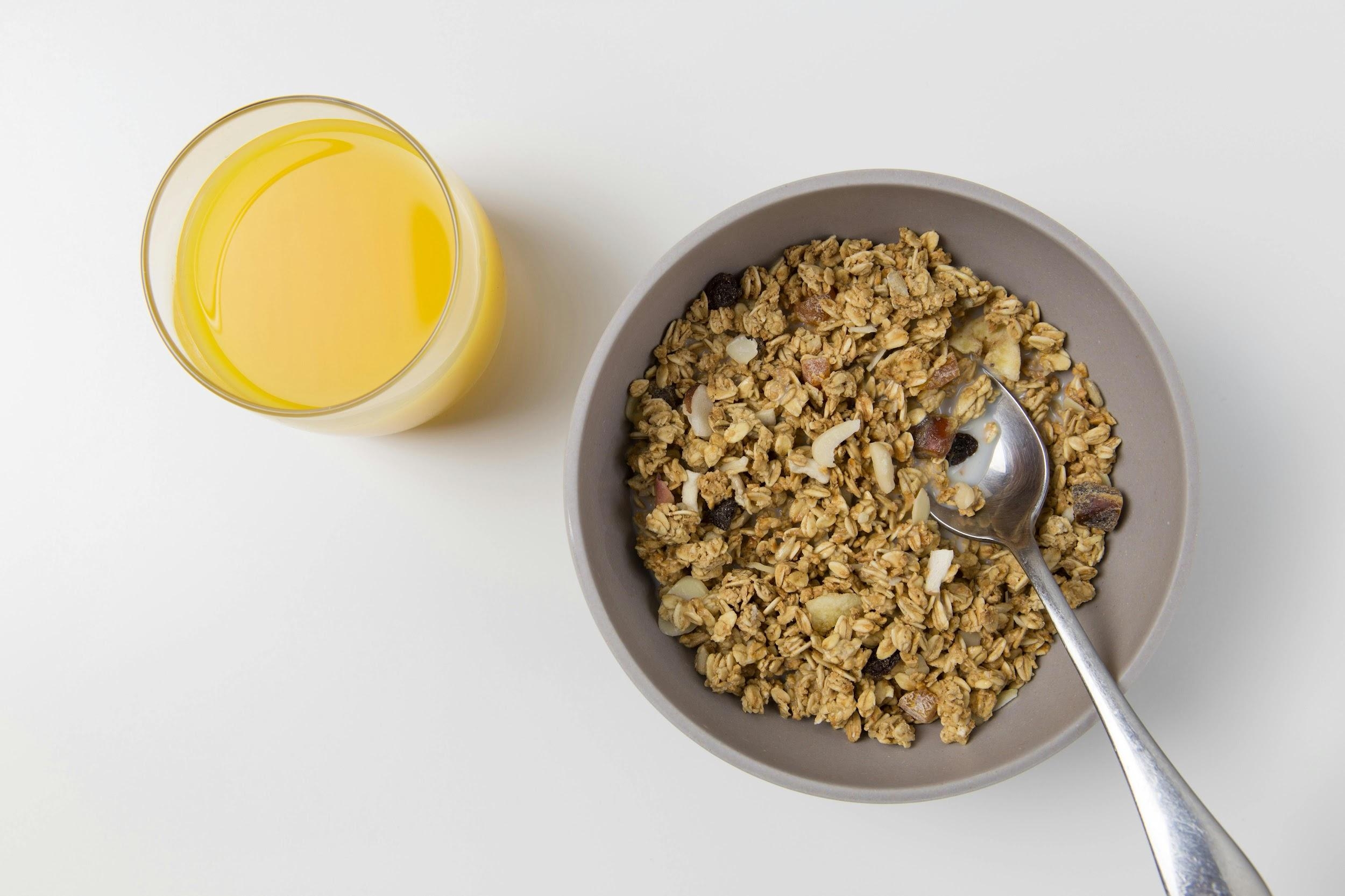
Dietary fiber is an important nutrient in our diet, playing a key role in maintaining gut health and preventing diseases. It is found in plant-based foods such as whole grains, fruits, vegetables, and legumes and is divided into two main categories: soluble and insoluble fiber.
Soluble fiber, found in oats, apples, and beans, absorbs water and forms a gel-like substance, helping to lower cholesterol and stabilize blood sugar levels, which also provides a feeling of fullness. Conversely, insoluble fiber, like that in whole grains and vegetables, adds bulk to stools, facilitating their movement through the intestine and preventing constipation.
Gut bacteria, which are supported by dietary fiber, produce short-chain fatty acids (SCFAs) through fermentation. SCFAs reduce inflammation and strengthen the immune system. A diet rich in fiber has been associated with a reduced risk of inflammatory bowel diseases, such as ulcerative colitis and Crohn’s disease, by strengthening the intestinal barrier.
In addition to improving gut health, fiber plays an important role in preventing chronic diseases such as cardiovascular diseases and colon cancer. Research shows that increased fiber intake can lower LDL (“bad”) cholesterol levels, reducing the risk of heart disease. At the same time, the blood sugar stabilization provided by soluble fiber helps prevent type 2 diabetes.
To achieve the necessary fiber intake, it is recommended to consume a variety of plant-based foods. Aim to include at least 25-30 grams of fiber per day in your diet, combining different sources, such as fruits with skins, vegetables, legumes, and whole grains. Gradually increase your intake so that your gut can adapt and avoid digestive issues.
In conclusion, fiber is an integral part of a healthy diet, offering multiple benefits for the digestive and cardiovascular systems and contributing to the prevention of chronic diseases. Incorporating it into our diet is an important step toward promoting health and longevity.