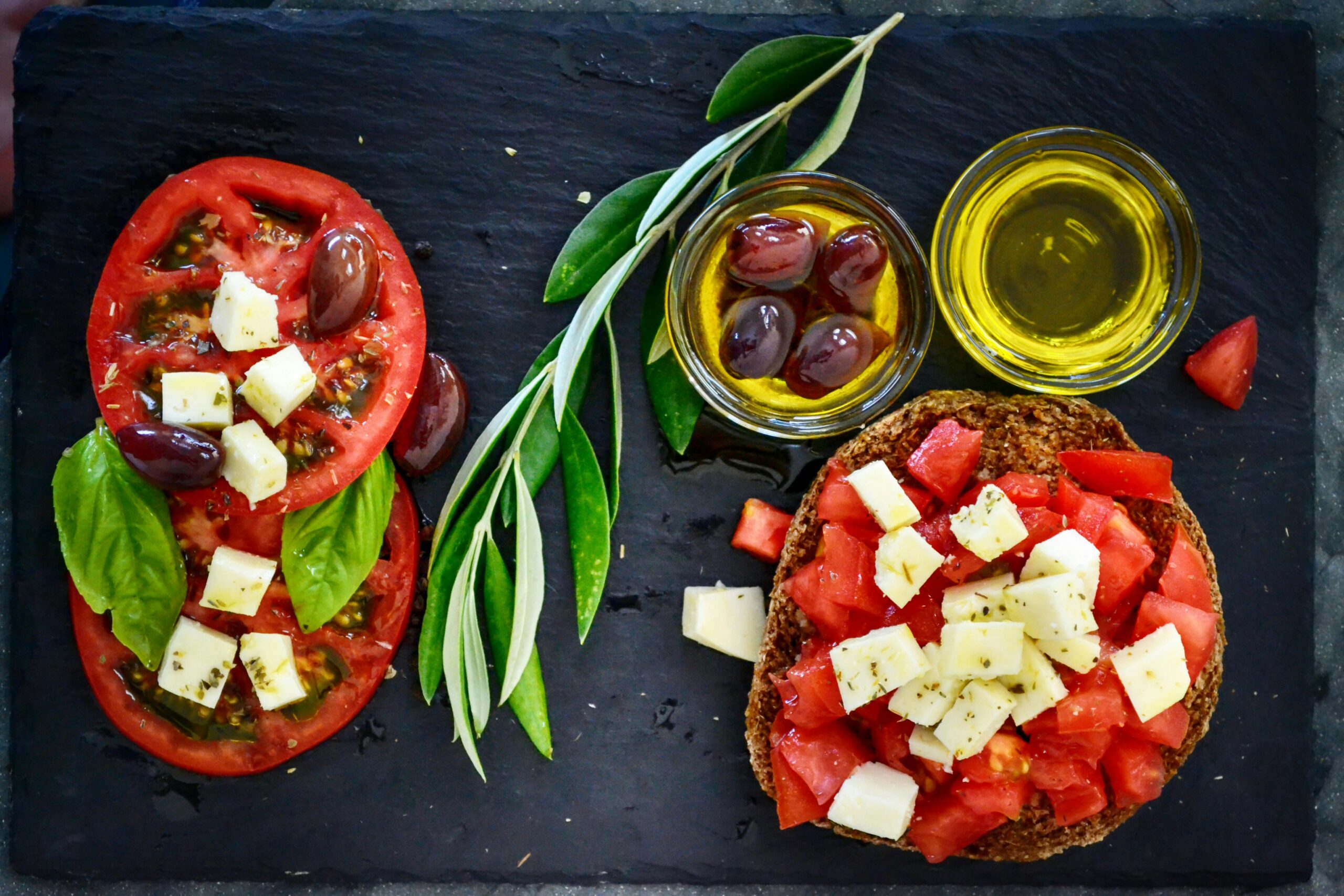
The Mediterranean Diet is one of the most studied nutritional models in the world. Since the 1960s, countless studies have been conducted examining its role in the prevention of major chronic diseases, such as cardiovascular disease and cancer. At the same time, newer studies prove that it is a diet that meets sustainability standards for the environment, a fact that cannot be ignored in the modern era of the food crisis we are going through.
Although we live in a purely Mediterranean country, in which apparently the Mediterranean Diet is the main way of eating for Greeks, very often most of us do not know exactly what this famous diet is.
According to its definition, the Mediterranean Diet is the traditional way in which the inhabitants of the wider Mediterranean region eat. That is, it is a diet which has various variations, depending on the Mediterranean country we are considering. However, there are some basic characteristics which are common, clearly reflected in the well-known pyramid of the Mediterranean Diet and include:
- Plant origin products. The Mediterranean diet at its core is a type of vegetarian diet. The foods that form its basis and are consumed daily are the variety of fruits, vegetables and cereals (complex carbohydrates), with a preference for whole grains. Also, on a weekly basis, the frequent consumption of legumes is included.
- Animal products. Animal origin food, mainly include dairy products, such as yogurt and low-fat cheese, which are consumed on a daily basis. Fish and seafood are included on a weekly basis. To a lesser extent, eggs and white meat (e.g. chicken) are found.
- The main source of dietary fat is olive oil, with a preference for extra virgin, but also unsalted nuts and olives which are consumed daily.
- Red meat is consumed less often on a weekly or even monthly basis, with the consumption of its processed products such as cured meats being further reduced.
- Another important element of the daily diet is the limited use of salt and the addition of spices and herbs that give flavor to the meals.
- Sugar, sweets, soft drinks, fruit juices with added sugar are foods that are consumed occasionally and in small quantities.
- Traditionally, in most of its variations, the Mediterranean diet involves moderate consumption of fermented alcoholic beverages such as wine (up to 2 glasses) with meals.
- Finally, a very important element is adequate hydration, by drinking water and drinks without added sugar.
The above characteristics are what can define the Mediterranean Diet. However, today we know that the Mediterranean Diet is not limited to a series of foods, but is about a total way of life. Thus, the revised Mediterranean Pyramid formed with the cooperation of international organizations, captures all the elements that characterize the Mediterranean Diet and should not be omitted when talking about it and its benefits.
This lifestyle refers to:
In the locality and seasonality of food. In other words, mainly foods are chosen which are traditional and available in each region in a given period of time.
In Socialization. A meal does not only involve the consumption of a specific portion but is also about the gathering and companionship between friends and/or family around a table, emphasizing on the social and cultural side of eating.
Preparation of meals. Cooking is a creative process with particular importance for the quality of the meal, which should not be neglected.
In Physical Activity. Physical exercise is an integral part of the Mediterranean lifestyle, either in the form of organized exercise, or in the form of simple daily activities, such as walking, cooking, housework, outdoor activities that take people away from a sedentary daily life.
In Austerity. An important element that is missing from modern everyday life is frugality of meals, i.e. the conscious consumption of food that reflects the needs of each person and the avoidance of overconsumption of food.
At Rest. Adequate rest 7-9 hours daily is a key element of a healthy lifestyle.
Therefore, with the term Mediterranean Diet we refer to a way of life that includes both a specific dietary pattern and the more general behavior around nutrition and daily life. All these elements combined are related to its benefits, for the prevention of serious diseases and longevity, making it officially since 2013, one of the elements of the Intangible Cultural Heritage of the Mediterranean countries by UNESCO.