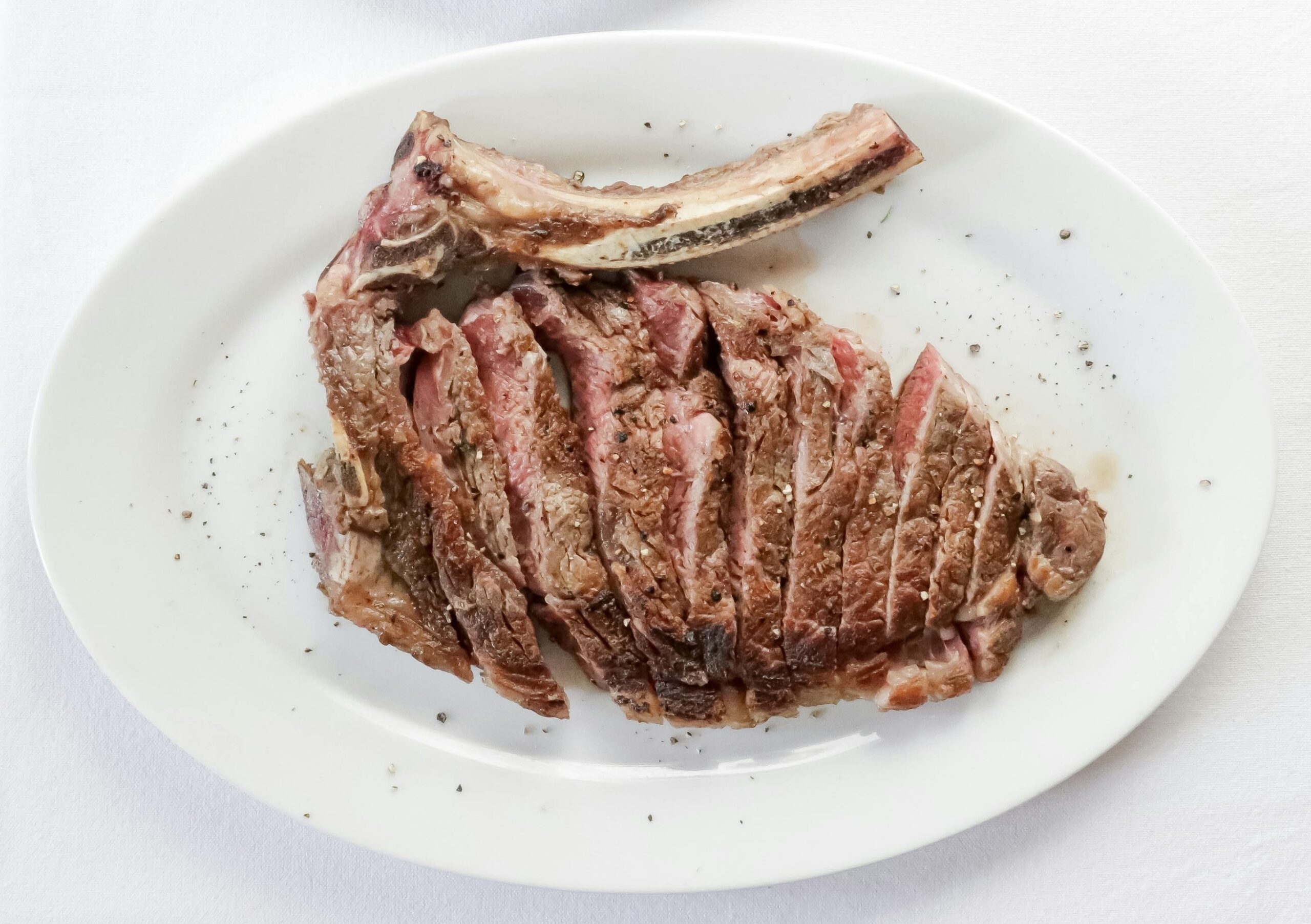
Meat consumption is a common practice in most dietary approaches, as it is an important source of protein, iron and vitamin B12. However, there is considerable concern about whether the exclusive consumption of meat – the so-called carnivory – is necessary or whether it may have negative consequences on physical and mental health.
Meat is particularly beneficial for the human body, as it contains proteins of high biological value, which are essential for muscle growth. At the same time, it is an excellent source of micronutrients, such as iron, zinc and vitamin B12, which play an important role in overall health. However, excessive consumption, especially when it comes to processed meat, has been associated with an increased risk of cardiovascular disease, type 2 diabetes, and certain types of cancer. Furthermore, research data shows that increased consumption of processed meat may contribute to the development of inflammatory reactions, which may negatively affect mood and be linked to depressive symptoms.
Additionally, drastically reducing or eliminating entire food groups, such as carbohydrates, can lead to increased cravings for previously excluded foods in the long term, potentially leading to overeating. Carbohydrate exclusion in the context of a meat-eating diet is not easy to maintain over a long period of time. Sooner or later, the need for foods that are a key source of energy for the brain and muscles – such as pasta, rice, legumes and fruit – will become more intense. Long-term avoidance of them can lead to reduced energy stores, physical fatigue, mood swings and, ultimately, increased food consumption as a compensatory mechanism. Beyond the nutritional aspect, an important issue is the economic sustainability of a diet based exclusively on meat. It is one of the most expensive foods, which makes such a dietary approach difficult to implement in the long term. Therefore, for a diet plan to be sustainable, it should be adapted to both the individual’s nutritional and financial needs.
Regardless of the perspective from which it is examined – whether from a health perspective or from a practical perspective – eating meat is not the ideal dietary pattern. To maintain physical and mental well-being, a balanced intake of all food groups is essential, so as to cover both the macronutrient (proteins, carbohydrates, fats) and micronutrient (vitamins, minerals, trace elements) needs of the body. The Mediterranean diet is a complete and scientifically documented nutritional model, as it combines animal and vegetable proteins, complex carbohydrates and healthy fats. Furthermore, adapting it to individual needs – whether with the aim of losing or gaining weight – is possible, making it one of the most sustainable and beneficial dietary choices.